


A Garrett

A. Garrett is the President and CEO of G&G Hydraulics Corporation, where he leads with a passion for innovation and excellence. He holds a Finance MBA and a Mechanical Engineering degree specializing in high-pressure hydraulics and fluid dynamics, with additional specializations in mechatronics. Under his leadership, G&G has become a leading supplier of hydraulic and pneumatic components and accessories. Garrett has spearheaded the company’s growth and development, driving advancements in technology and prioritizing top-notch customer service.
- Posted: October 06, 2026
 Read more »
Key Takeaways:
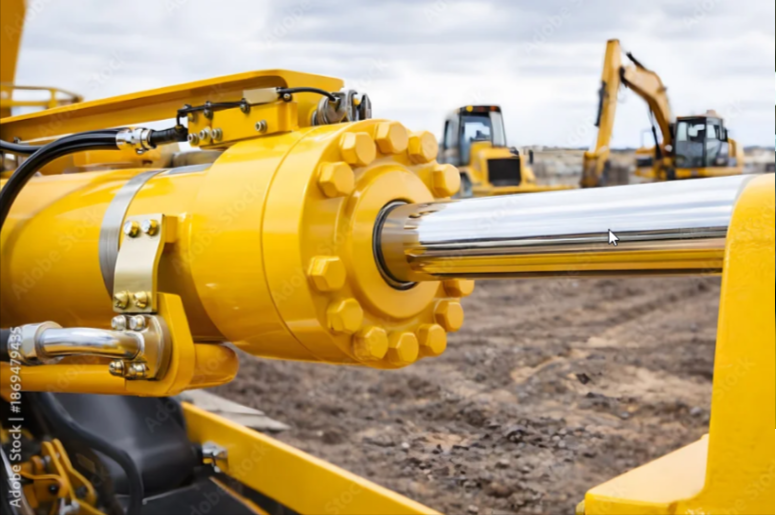
- For hydraulic cylinder and pump selection, think about the load, travel distance, and cycle time before comparing catalogs of different options.
- Cylinder area determines available force; oil flow determines travel speed.
- Do your research: the relief valve, hoses, fittings, and controls need ratings that match the same working pressure.
- Test a new circuit at a controlled setting before asking it to do production work. Taking extra time to get this right is worth it to protect your system and yourself.
It is easy to order hydraulic pumps and cylinders that appear to be a close match and expect the two to cooperate. The trouble usually shows up as a press that creeps, an actuator that races, or a relief valve that runs hot all afternoon. A hydraulic circuit does not give much credit for “close enough.” An “almost” is never enough when it comes
- Posted: September 10, 2026
 Read more »
Key Takeaways:
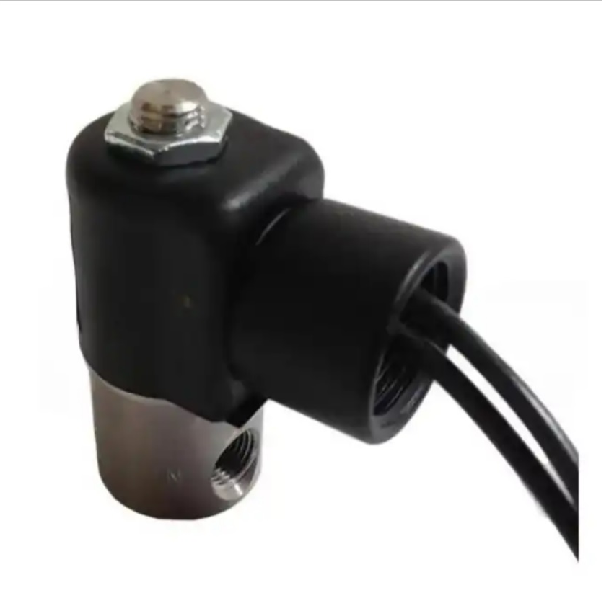
- In valve terminology, “normal” means the position held while the coil has no power.
- With no power, an NC valve blocks its working path, while an NO valve keeps it open.
- Before choosing, weigh the power-loss response, pressure, flow direction, leakage, circuit role, and coil duty.
- The port count and internal construction must be checked, along with the NO or NC designation.
It may seem like a solenoid valve is simply on or off. Yet if you choose the wrong normally open valve, the machine may respond quite differently at startup, shutdown, or when power drops. So this isn’t just a matter of choosing a catalog option marked “Normally open” or “normally closed valve”.
The first question: With zero volts at the coil, where should the fluid go? Then evaluate the remaining specifications against the circuit.
What Does the “Normal” Position
- Posted: August 04, 2026
 Read more »
Takeaways:
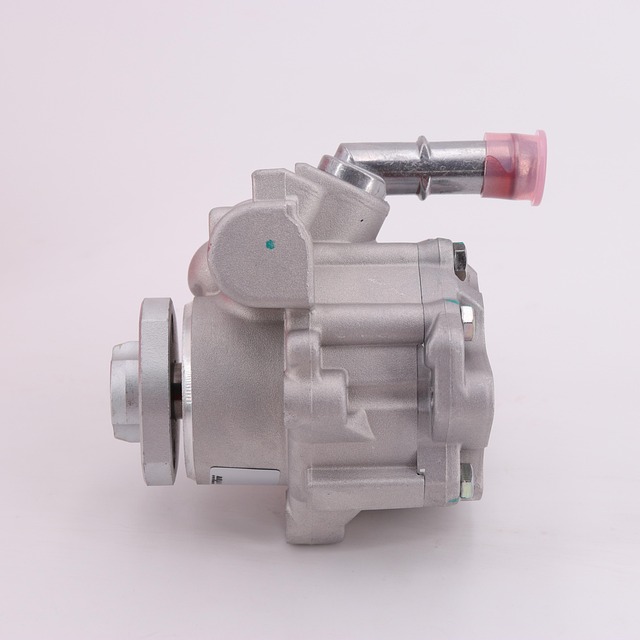
- Check pressure, flow, stroke length, oil volume, and cycle frequency before shopping by pump style.
- Shop-air, electricity, and gas engines all excel in certain applications.
- Controls, couplers, portability, reservoir size, and fittings affect how the pump feels in daily use.
- Properly matched pumps, cylinders, and tools run cooler and behave more predictably.
Hydraulic pumps can fool you if you only compare ratings. Two units may carry similar pressure numbers,
- Posted: July 13, 2026
 Read more »
Key Takeaways:
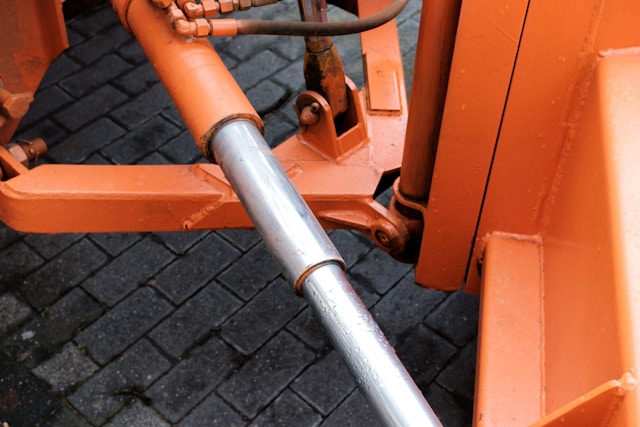
- Single-acting means the hydraulic push occurs in a single stroke. The return is usually handled by a spring, gravity, or the load.
- Double-acting means pressure moves the rod both ways, which is handy when you need tighter control.
- The right answer comes down to travel direction, load swings, available space, cycle demands, and how picky the movement needs to be.
- Get it wrong and the machine tells on you pretty quickly: lazy cycles, lost efficiency, rough motion, or the wrong cylinder choice for the job.
A spec sheet can make a lot of cylinders seem interchangeable. Out in service, the way they move a load separates them fast.
If you’re sorting through cylinder options for a press, lift, clamp, or production machine, nail down one thing first: does the job need powered motion in one direction or both?!
A Few Fast Comparisons
- Posted: April 21, 2026
 Read more »
Key Takeaways:
- Many problems often trace back to fluid condition, filtration, suction trouble, or relief-side problems.
- The fastest way through it is a clean sequence: check the oil, inspect for air leaks or restrictions, verify pressure, then start separating valve issues from downstream ones.
- Cavitation and aeration are easy to mix up at first, but they come from different places and leave different evidence behind.
Hydraulic systems usually tip their hand before a pump finally gives up. When a hydraulic pump goes awry, cycle times stretch out, the unit sounds different, and pressure starts wandering.
Don’t Jump to Conclusions
That does not automatically mean the pump itself is the culprit. A lot of the time, it is responding to something upstream or elsewhere in the
- Posted: April 06, 2026
 Read more »
In modern manufacturing, efficiency is crucial, and hydraulics play a significant role in ensuring precise control over complex processes. Hydraulic systems optimize manufacturing processes and enhance productivity by using fluid pressure to power machinery. Understanding the impact of hydraulics in manufacturing allows companies to leverage these systems for improved precision, power, and adaptability. Here are some critical insights into how hydraulics improve efficiency in manufacturing.
Key Ways Hydraulics Improve Efficiency
Precision and Control
Hydraulic systems ensure machinery operates with precision by controlling fluid flow for consistent movement. This minimizes variations and errors, reducing waste and improving operational efficiency. For instance, in the automotive industry, hydraulics are used in robotic arms to assemble vehicle parts with pinpoint accuracy, ensuring
- Posted: March 30, 2026
 Read more »
In industrial applications, understanding hydraulics vs. pneumatics is vital for achieving optimal performance, efficiency, and longevity of your hydraulic systems. Both systems rely on fluid power but have fundamental differences. Hydraulic systems harness pressurized liquids like oil, delivering significant force and precision. Pneumatic systems use compressed gases such as air, ensuring cleaner, simpler, and faster operation. Whether you prioritize raw power or swift, lightweight performance, knowing the difference between hydraulic and pneumatic systems is crucial for informed decisions.
Understanding Hydraulics
Hydraulic systems are integral to machines and equipment across industries, particularly construction and aviation. They leverage pressurized liquid, typically oil, for tasks requiring substantial force and accuracy. To effectively compare hydraulics vs. pneumatics, it’s crucial to understand each system’s individual properties,
- Posted: March 23, 2026
 Read more »
Hydraulic systems are integral to many industries, requiring special care and attention as temperatures drop. Cold weather directly impacts these systems, slowing operations and potentially causing damage. Ensuring proper preparation for your hydraulics in cold weather is vital to keeping your machinery running efficiently and avoiding costly downtimes. So, does cold weather affect hydraulics? Here’s how to prepare your hydraulics for the chilly months and address potential problems.
Choose the Right Hydraulic Fluid
Selecting the appropriate hydraulic fluid is crucial in cold weather. Fluids formulated for freezing temperatures generally have a lower viscosity, so they flow more easily, even in the cold. This adaptability is vital for industries relying on hydraulic efficiency, as it reduces the strain on machinery and ensures smooth
- Posted: March 13, 2026
 Read more »
Key Takeaways:
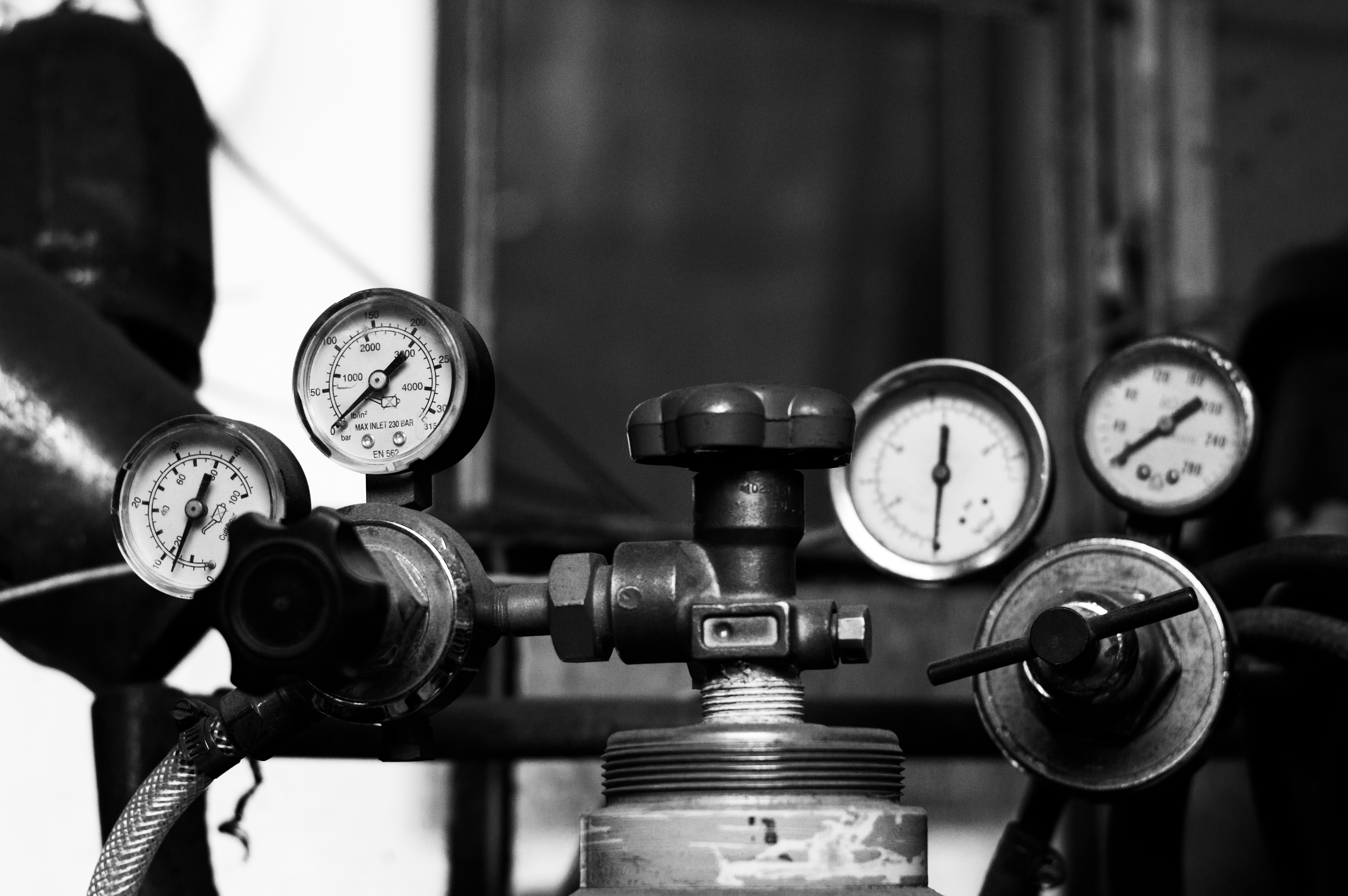
- Dry gauges are a solid fit for stable, low-vibration environments.
- Liquid-filled gauges improve readability and life in vibration and pulsation.
- Temperature swings and media exposure can drive the right choice.
- Match the gauge to the application, not just the connection size.
Different pressure gauges might look similar and simple on the surface. A needle, a dial, a number. Then a gauge flutters, fogs up, or fails early, and the “simple” part slows down your whole system. Dry and liquid-filled gauges solve different problems and have distinct applications that need to be mapped out; understanding liquid-filled vs. dry pressure gauges prevents wasted replacements.
Why Gauge Selection Actually Matters
A pressure gauge is how you keep tabs on what’s happening inside a hydraulic
- Posted: August 27, 2025
 Read more »
Key Takeaways:
- Tight, repeatable inspection intervals spot seal leaks long before oil touches the floor, and repairing a hydraulic cylinder is needed.
- Microscopic particles (those you can’t see) cause most bore scoring and rod pitting.
- A methodical teardown sequence (rod, gland, piston, barrel) makes rebuilding hydraulic cylinders easy.
- Proper storage and ISO cleanliness control can considerably lengthen service life on heavy-cycle rams.
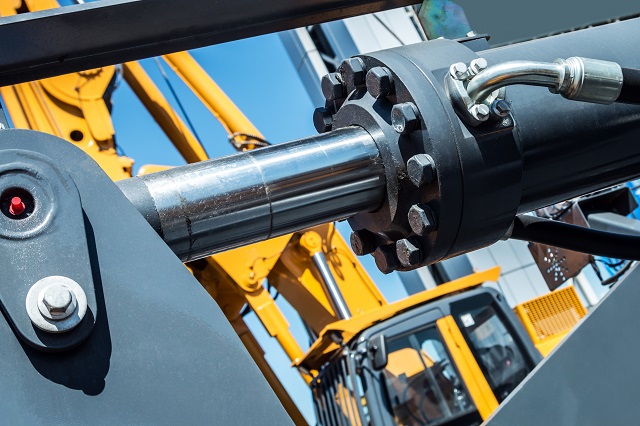
A blown cylinder can bring an entire production line, or a single-man jobsite, to a dead stop, running up costs faster than any preventive program ever will. Regular maintenance is the least glamorous line item on the budget sheet, yet it’s the one that keeps the doors open and the forklifts humming. So let’s go over the basics of repairing hydraulic cylinders.
Set the Schedule, Stick to It
Recent Posts


Different Types of Hydraulic Pumps for Real-World Jobs
August 04, 2026


